
Powered By



 Continue with Facebook
Continue with Email
Continue with Facebook
Continue with Email
Getting diagnosed with diabetes can leave you wondering if you missed the signs. For example, if you have a history of snoring, you may be asking yourself, “Does diabetes cause snoring?”
The answer is no. Snoring isn’t a direct symptom of diabetes.
However, growing evidence has found links between diabetes and snoring. One study found that people with severe snoring are 2.24 times more likely to have diabetes than people who don’t snore.
One reason is higher rates of obstructive sleep apnea (OSA) occur in people with diabetes, and sleep apnea’s most common symptom is snoring.
People with diabetes may snore for reasons other than OSA. Getting the right diagnosis can help ensure you receive proper treatment and feel healthier day and night.
There’s a two-way relationship between OSA and diabetes. In other words, having one condition puts you at a higher risk of developing the other.
Diabetes and obstructive sleep apnea share several risk factors. For starters, either condition can be caused by having a higher body weight or obesity.
Other factors that can contribute to both conditions include:
Fortunately, forming healthy habits can help protect against a whole host of health issues at the same time.
OSA impairs breathing at night. This can lead to hypoxia (low blood oxygen levels). As a result, people with OSA often have poor sleep quality. They wake up frequently when breathing stops, even if they don’t realize it.
These nighttime awakenings put the body into a stressed state. High stress levels disrupt the natural regulation of blood glucose (blood sugar) by insulin and other hormones, such as cortisol.
Poor sleep night after night can raise inflammation and blood glucose levels. It promotes insulin resistance, where the body doesn’t respond to insulin’s attempts to lower blood sugar. The opposite of insulin resistance is called insulin sensitivity.
These factors are hallmark signs of type 2 diabetes, the most common form of the disease. Over time, high blood sugar can lead to serious diabetes complications, including:
Habitual snoring is a good wake-up call to seek more support for your health, especially if you’re already managing diabetes.
You can start by sharing your concerns with your general practitioner. They may refer you to a sleep disorder specialist for an evaluation.
Because snoring is so often related to sleep apnea, that’s one of the first issues your healthcare provider will want to screen for. Be sure to share any other symptoms you’re experiencing.
Besides snoring, sleep apnea can cause: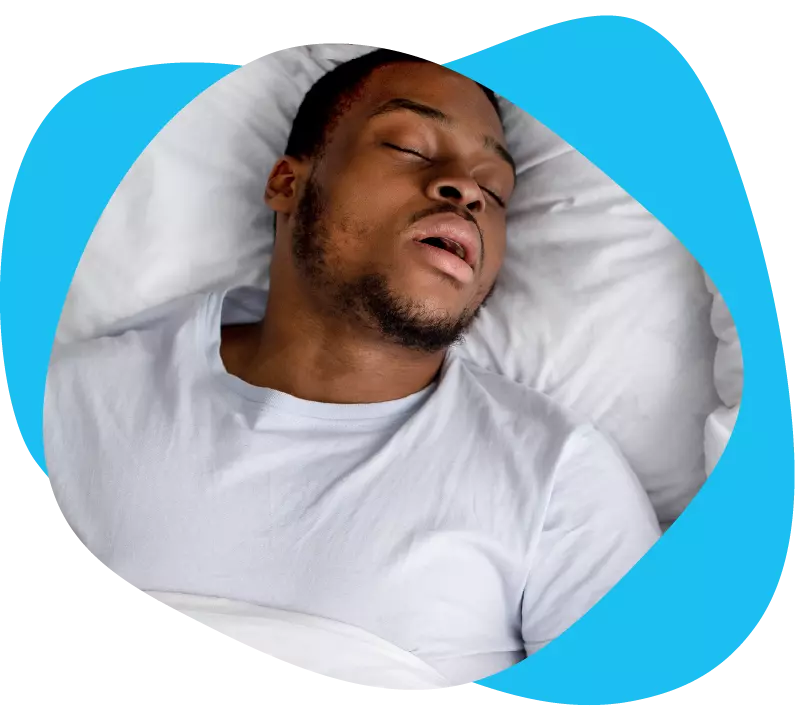
Members of MySleepApneaTeam have shared how snoring impacts their lives. “I had to sleep in my recliner because I share a room with my granddaughter, and my snoring was keeping her awake,” said one member.
Another wrote, “My partner can’t sleep because of my snoring and worries because I stop breathing throughout the night. He’s on high alert to wake me when he notices I’ve stopped. Restless night for both of us.”
Not everyone who snores has OSA. If snoring happens once in a while, it could be related to a temporary issue, such as a stuffy nose. It’s normal to snore sometimes, especially if you have allergies or a cold.
If snoring is an ongoing issue, your healthcare provider can sign you up for a sleep study. This sleep test monitors your body during sleep. In some cases, you can do it at home.
Other times, a more detailed sleep study, called a polysomnography, may be required. This test is done at a sleep center to monitor your brain waves, oxygen levels, heart rate, and other factors during sleep.
If you snore because of sleep apnea, your healthcare provider can recommend various treatment options to improve your breathing at night.
Here are the most common sleep apnea treatments to help reduce snoring and improve sleep. The good news is that achieving these goals can help improve your diabetes management, too.
For mild cases of snoring that aren’t caused by OSA, keeping the nasal passages open can help. You can find over-the-counter nasal strips to help pull the nostrils open while you sleep. These are safe for people with diabetes to use.
A continuous positive airway pressure (CPAP) machine is a breathing device that people with sleep apnea can wear through the night. It helps improve airflow so people with OSA can get better sleep.
Some MySleepApneaTeam members have noticed a positive impact on their diabetes after getting sleep apnea treatment.
“I have been diabetic and insulin-dependent for more than 30 years,” wrote a MySleepApneaTeam member. “My pulmonologist said using a CPAP machine would stabilize my sugar levels. I feel a big difference since I started using it.”
Instead of a CPAP, some people with sleep apnea use a special mouthpiece to breathe better.
“I recently started using a dental appliance for sleep apnea, and I’m here to tell you that I’m getting positive results!” shared another member. “My snoring is all but gone, and my sleep is improving each night. I just can’t say enough good things about it.”
Sleeping on your back can put pressure on your airways, making them more likely to close. Your healthcare provider can recommend simple changes, like sleeping on your side or raising the head of your bed, to reduce snoring.
Losing weight, avoiding smoking, and not drinking alcohol before bed can make a big difference in your overall health.
You can meet with a registered dietitian nutritionist to learn how to eat well for diabetes and support weight loss if needed. If your healthcare provider says exercise is safe for you, work on increasing your activity level.
Exercise helps regulate your appetite and blood sugar. It can improve insulin sensitivity, support weight loss, promote better sleep, and give you more energy throughout the day.
With the right combination of medical care and lifestyle changes, there’s no need to lose sleep over diabetes and snoring.
On MySleepApneaTeam, people share their experiences with sleep apnea, get advice, and find support from others who understand.
Has your life been impacted by snoring and diabetes? Let others know in the comments below.
Get updates directly to your inbox.




 Continue with Facebook
Continue with Email
Continue with Facebook
Continue with Email
Continue with Facebook
Continue with Email
Continue with Facebook
Continue with Email
Become a member to get even more





 Join
Join

 Your Privacy Choices

This is a member-feature!
Sign up for free to view article comments.
We'd love to hear from you! Please share your name and email to post and read comments.
You'll also get the latest articles directly to your inbox.