
Powered By



Sleep apnea and chronic pain often occur together. Studies suggest that 51 percent to 76 percent of people with obstructive sleep apnea (OSA) also live with chronic pain — far more than in the general population.
Poor sleep and repeated drops in oxygen may increase pain sensitivity and worsen fatigue. Understanding this connection can help you manage sleep apnea alongside fibromyalgia, arthritis, or another chronic pain condition.
Sign up to view the results!
 Continue with Facebook
Continue with Email
Continue with Facebook
Continue with Email
Fibromyalgia is a chronic condition that causes widespread pain, fatigue, and increased sensitivity to touch. Arthritis refers to a group of conditions that cause joint pain, stiffness, swelling, or damage. Both conditions can interfere with sleep, and poor sleep may make their symptoms feel worse.
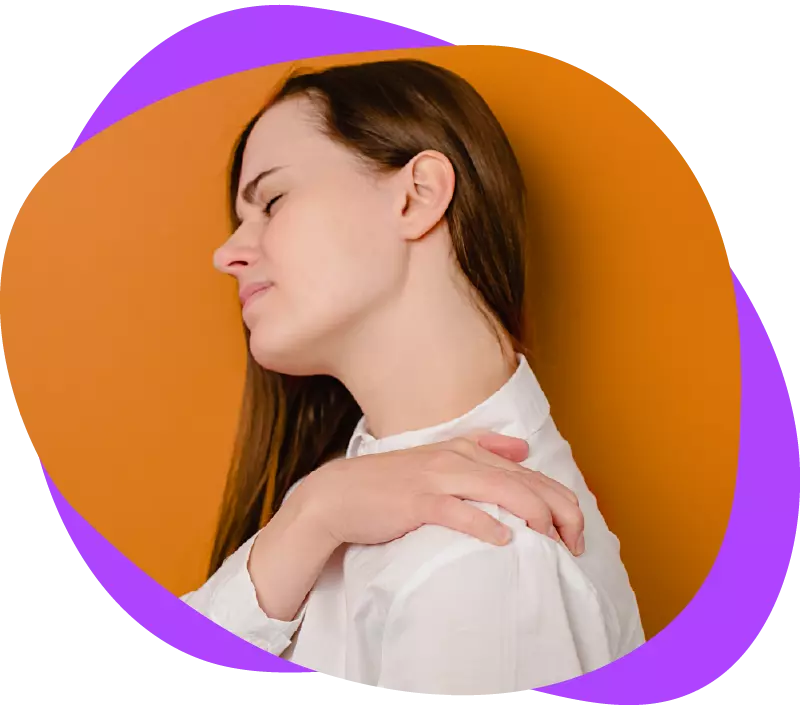 With sleep apnea, breathing repeatedly stops during sleep and your brain briefly wakes you up to restore airflow. These repeated interruptions prevent you from getting into a deep sleep. It also reduces oxygen levels and triggers inflammation in your body.
This increased inflammation, in turn, can make chronic pain conditions like fibromyalgia or arthritis worse. For instance, sleep apnea can increase pain sensitivity, worsen fatigue, and make everyday symptoms feel more severe. Here’s how it affects fibromyalgia and arthritis.
A study found that about 21 percent of people with sleep apnea also had fibromyalgia. They also believe that those with OSA and restless legs syndrome may be more likely to develop fibromyalgia.
Having both OSA and fibromyalgia could also cause widespread pain, fatigue, daytime sleepiness, and poor sleep quality. Researchers speculate that it’s the sleep disruptions and drops in oxygen from sleep apnea that may lead to more pain.
That said, there is some evidence that treating sleep apnea with continuous positive airway pressure (CPAP) may improve fibromyalgia after three weeks of treatment. So, early identification and treatment are important to reduce the need for pain medications.
Likewise, because of the connection between these two conditions, researchers recommend screening people with sleep apnea for fibromyalgia and vice versa.
Pain from arthritis may make it difficult to fall asleep or stay asleep. In fact, as many as 80 percent of people with arthritis have trouble sleeping. And while it’s easy to blame arthritis pain for the lack of sleep, scientists have found that poor sleep can also make pain worse.
Clearly, there’s a connection between these two conditions — even if it’s not fully understood yet. For instance, one review found that people with arthritis and sleep apnea tend to have more severe symptoms of knee arthritis than those who have only arthritis.
Researchers also note that people with arthritis often have less joint mobility and weaker muscles, which can impact how active they are on a daily basis. And if they move less, they’re at a greater risk for obesity. Obesity can make sleep apnea worse.
Researchers believe there may be a two-way relationship between pain and poor sleep. For instance, chronic pain can disrupt sleep while fragmented sleep may worsen widespread pain. Even the use of opioids for pain relief can worsen sleep apnea symptoms.
There’s also evidence that people with sleep apnea may be more likely to have insomnia and poorer sleep quality. This, in turn, may be linked to a greater risk of chronic pain. In fact, one study found that most people who had both OSA and insomnia also had chronic pain.
They also found that their pain is more intense than that of those who had only OSA or only insomnia. And, for those with insomnia alone, they may feel pain more easily, and their bodies are more likely to magnify pain signals. They also have a harder time naturally blocking pain.
People with sleep apnea who also have chronic pain may have worse mood issues, like depression and anxiety, than those without chronic pain. This may be related to increased stress and inflammation that could make pain worse.
Sleep apnea is a serious condition that repeatedly disrupts breathing during sleep. Common signs include loud snoring, gasping for air, frequent awakenings, morning headaches, and severe daytime sleepiness.
Here are some signs and symptoms of sleep apnea to be aware of:
Untreated sleep apnea may increase the risk of high blood pressure, heart attack, stroke, and irregular heart rhythms. Seek emergency care for new or severe chest pain, especially if it occurs with shortness of breath, sweating, nausea, dizziness, or pain that spreads to the arm, back, neck, or jaw.

When you have chronic pain, it can be more difficult to sleep. This can then create an entire host of problems, including experiencing anxiety and stress about going to bed, a reliance on caffeine when you’re sleep-deprived, and an unhealthy relationship with sleep.
The key to overcoming these issues is learning how to promote sleep — even when you’re uncomfortable or in pain. Often, this begins with learning how to relax and focus on something other than your discomfort. Some strategies that may help include:
If you find that sleep still eludes you, it may be beneficial to talk with a mental health professional or someone else on your healthcare team. They may be able to offer you strategies for coping with your pain and improving your sleep.
 On MySleepApneaTeam, people share their experiences with sleep apnea, get advice, and find support from others who understand.
If you have been diagnosed with sleep apnea and have chronic pain, how do you manage both conditions? Let others know in the comments below.
Get updates directly to your inbox.



 Continue with Facebook
Continue with Email
Continue with Facebook
Continue with Email
Continue with Facebook
Continue with Email
Continue with Facebook
Continue with Email
Become a member to get even more





 Join
Join

 Your Privacy Choices

This is a member-feature!
Sign up for free to view article comments.
We'd love to hear from you! Please share your name and email to post and read comments.
You'll also get the latest articles directly to your inbox.