
Powered By



Living with obstructive sleep apnea (OSA) can mean coping with poor sleep that leaves you drained and makes it hard to focus at work or school. When you’re tired, coffee or other caffeinated drinks can help you make it through the day. But could the coffee you’re drinking actually be making your OSA symptoms worse?
It’s common for people with sleep apnea to drink more coffee as they try to balance the effects of poor sleep. Coffee may help you feel more alert, but it can also make it harder to fall asleep.
Learning how caffeine affects symptoms of sleep apnea and treatment can help you choose when and how much to drink caffeinated beverages.
Here’s what you need to know about caffeine and sleep apnea.
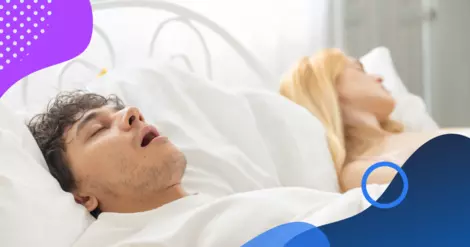
OSA is a sleep disorder that causes breathing to stop and start during sleep. It happens when part of the upper airway becomes partially or completely blocked during sleep. When you’re unable to breathe consistently, your brain jolts you awake so that you can start breathing again.
Waking up often can lead to poor sleep that leaves you feeling unrested. During the day, fragmented sleep can leave people with OSA feeling very tired or unable to focus.
These symptoms often lead people with OSA to drink a lot of caffeine so they can stay alert during the day.
Caffeine stimulates (activates) the central nervous system, which is why it’s often referred to as a stimulant and an energy booster. It does this by blocking a chemical in the brain called adenosine that makes you feel sleepy.
Normally, levels of this chemical build up during the day, making you feel tired by bedtime. When caffeine blocks adenosine, your brain continues to feel awake and alert because it’s not getting the message that it’s time to rest.
Caffeine works pretty quickly in the body. Levels in your blood are highest about one hour after you have it, but caffeine can continue to affect you for four to six hours afterward. This means that even if you drink coffee, caffeinated soda, or energy drinks earlier in the day, caffeine can still affect your body at bedtime.
Because caffeine may make you feel more awake, many people use it to fight tiredness and stay alert. Research has shown that caffeine can improve mental performance, including attention and reaction time.
These effects can be especially helpful when you’re tired, though they may also mask how much sleep your body actually needs.
There’s limited evidence as to whether caffeine makes sleep apnea worse. Some research points to negative effects on sleep, while other studies have shown mixed results.
Research shows that caffeine use disrupts the sleep cycle, which can be problematic for people with OSA. A recent review of 24 studies found that consuming caffeine reduced total sleeping time by 45 minutes, sleep quality by 7 percent, and time spent in slow-wave sleep (deep sleep).
Meanwhile, caffeine increased awake time after initially falling asleep as well as time spent in lighter stages of sleep. When people had caffeine closer to bedtime, they slept for less time overall.
Slow-wave sleep is a deep stage of sleep when your body rests and repairs itself. Spending less time in this stage may worsen overall sleep quality in people with OSA.
However, it’s important to note that this review looked at studies of healthy adults rather than those with sleep-disordered breathing.
Doctors measure OSA severity by counting how many apnea and hypopnea events happen each hour during sleep. Apnea refers to breathing pauses or stops, while hypopnea refers to shallow breathing.
According to the apnea-hypopnea index (AHI), people who have 5 to 14 events have mild OSA, people with 15 to 29 events have moderate OSA, and people with 30 or more events have severe OSA.
The evidence on caffeine’s effect on the number of apneas and hypopneas is mixed. A recent study with 65 participants looked at caffeine levels in people with OSA compared to those without.
Although people with OSA had higher levels of caffeine in their blood, caffeine intake didn’t appear to significantly impact OSA severity as measured by the AHI index. On the other hand, an older study with 6,352 participants found that drinking caffeinated soda was linked to more severe sleep-disordered breathing, particularly in women. The study didn’t find an association between coffee or tea and OSA severity.
Caffeine can disrupt sleep, but it’s also been proven to increase alertness and mental performance. One study found that caffeine-infused chewing gum improved attention and decision-making in sleep-deprived people.
Other research suggests that caffeine may help with alertness after poor sleep.
One older study found that daily caffeine intake was linked to better thinking and focus during the day in people with moderate or severe OSA. But overall, research on the effects of caffeine on mental sharpness in people with OSA is limited.
There are several treatment options for OSA, such as continuous positive airway pressure (CPAP) machines and oral appliances. The goal of OSA treatment is to help people living with the condition have more stable breathing so that they can get better sleep.
Drinking too much caffeine, especially late in the day, may make it harder to fall asleep, stay asleep, and reach deep sleep, even if you’re treating OSA. This may mean you have more difficulty sleeping with your CPAP machine or oral device.
The increased alertness from caffeine may also make you more uncomfortable while using your CPAP, which many find hard to get used to as it is.
Caffeine may also make it easier to push through daytime sleepiness if you haven’t been using your CPAP machine regularly. As a result, you may feel like you can skip your CPAP machine, even though you still need it.
Effective OSA treatment can help reduce the amount of caffeine you need on a daily basis. One review of 41 studies found that use of CPAP machines significantly reduced daytime sleepiness and the time it took to fall asleep at night in people with OSA.
In addition, CPAP therapy made it easier for people to stay awake during the day. Another study found that mandibular (jaw) advancement devices helped people with OSA feel less tired during the day, have more energy, and improve their quality of life.
Most people with OSA don’t need to give up caffeine completely. Pay attention to how your body reacts to caffeine. If your caffeine intake is affecting your sleep, you can try making minor adjustments.
Caffeine can stay in your system for up to six hours after you consume it. Sleep specialists recommend avoiding caffeine for eight hours or more before bed. If you find you’re having trouble sleeping, pay attention to what time of day you consume caffeine and try adjusting it.
Many health organizations agree that healthy adults can safely have up to 400 milligrams (mg) of caffeine per day, or about two to three cups of coffee.
Some people with OSA may sleep better with less than that, especially if caffeine affects their ability to fall asleep. Instead, try keeping daily caffeine intake in the 200- to 300-mg range to see if it helps you sleep better. This amounts to one to two cups of regular coffee.
Having too much caffeine at once can increase the risk of side effects like sleep problems. In addition to limiting total caffeine to 200 to 300 mg per day, try spacing out your caffeine by having smaller doses at a time.
For example, if you’re used to having two full cups back to back, replace those with two half-full cups, then add another half-cup a little later if needed.
Even though caffeine can help improve alertness, it can’t replace a good night’s sleep. Drinking too much caffeine can lead to worse sleep quality and mask OSA symptoms that need treatment.
If you’re using caffeine often to get through the day, talk to your doctor. Your healthcare provider can help you figure out how much caffeine is right for you.
On MySleepApneaTeam, people share their experiences with sleep apnea, get advice, and find support from others who understand.
Have you noticed that caffeine affects your sleep patterns? Let others know in the comments below.
Get updates directly to your inbox.




 Continue with Facebook
Continue with Email
Continue with Facebook
Continue with Email
Continue with Facebook
Continue with Email
Continue with Facebook
Continue with Email
Become a member to get even more




 Join
Join
 Your Privacy Choices

This is a member-feature!
Sign up for free to view article comments.
We'd love to hear from you! Please share your name and email to post and read comments.
You'll also get the latest articles directly to your inbox.