
Powered By


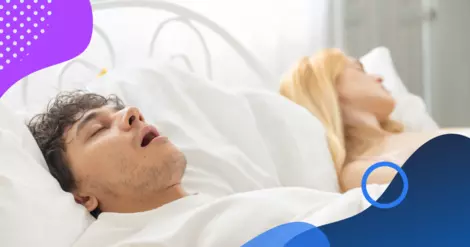
Living with sleep apnea can affect more than your sleep. The condition can lead to daytime sleepiness, morning headaches, trouble concentrating, and irritability, making it harder to stay energized, think clearly, or feel like yourself.
To learn more about how sleep apnea symptoms affect daily life, MySleepApneaTeam asked members: “Which type of symptom affects your day the most lately?”
Among those who responded:
Although the poll grouped symptoms into broad categories, members’ comments help paint a clearer picture of how these symptoms can affect daily life.
Physical symptoms were the top concern in the poll, and many MySleepApneaTeam members described overwhelming fatigue. Repeated pauses in breathing during sleep can fragment rest and contribute to excessive daytime sleepiness and exhaustion.
Even after what seems like a full night’s sleep, some members say they wake up feeling as though they haven’t rested at all. One member wrote, “Sleep for 10 to 12 hours every night and wake up exhausted.”

Another simply said, “I have no energy.”
Along with fatigue, common sleep apnea symptoms can include:
If persistent daytime exhaustion is affecting your daily life, talk with your healthcare provider.
Cognitive symptoms — those that affect brain functions like memory and thinking — tied for the second-most common response in the poll. Many members described feeling forgetful or having trouble thinking as clearly as they used to.
One member shared, “I forget simple things.”
Another described it this way: “Can’t remember words or subjects at times. Brain is in its own world.”
These experiences are often described as brain fog. Sleep apnea-related sleepiness and sleep disruption can affect attention, memory, and executive function, which may make work, household responsibilities, and relationships feel harder to manage.
Sleep apnea symptoms can vary over time. More than 1 in 5 poll respondents chose “It varies day to day/Other,” reflecting that variation.
Some days may feel manageable, while others can bring more fatigue or difficulty thinking clearly. As one member put it, “It changes day to day. I forget simple things.”
If broken or inconsistent sleep is part of that pattern, it may help to learn more about sleep apnea and insomnia.
If you notice new or worsening symptoms, talking with your healthcare provider can help you figure out what may be contributing.
Although emotional symptoms received the fewest poll responses, nearly 1 in 6 respondents still said these symptoms had the greatest impact on daily life.
Living with poor sleep, fatigue, and cognitive changes can be emotionally draining. Research suggests that obstructive sleep apnea is linked to higher rates of depression and cognitive impairment, and many people also report mood changes such as irritability or feeling low.
One MySleepApneaTeam member summed up those feelings simply: “It’s scary.”
If emotional changes are becoming difficult to manage, let your healthcare provider know. Support for mental health is an important part of living well with sleep apnea.

The poll results show that physical symptoms affected the largest share of responding MySleepApneaTeam members, but experiences with sleep apnea vary. For some people, exhaustion is the biggest challenge. For others, brain fog, emotional changes, or symptoms that vary over time have the greatest impact.
Whatever symptoms you’re dealing with, you’re not alone. Talking with your healthcare provider about changes in how you feel during the day may help you find ways to better manage your condition.
Get updates directly to your inbox.



 Continue with Facebook
Continue with Email
Continue with Facebook
Continue with Email
Continue with Facebook
Continue with Email
Continue with Facebook
Continue with Email
Become a member to get even more





 Join
Join

 Your Privacy Choices

This is a member-feature!
Sign up for free to view article comments.
It is Scary and in a very Fatigued way.
We'd love to hear from you! Please share your name and email to post and read comments.
You'll also get the latest articles directly to your inbox.