
Powered By



Using a continuous positive airway pressure (CPAP) machine can help you get a better night’s rest, but can it also help your heart? If you have sleep apnea and heart failure, or you have risk factors for heart failure, you might wonder whether CPAP can protect your health in a bigger way.
This article explains how sleep apnea and heart failure are connected and whether CPAP may help treat or lower the risk of heart failure.
To understand whether CPAP can help with heart failure, it helps to first look at how sleep apnea affects the heart.
Heart failure means the heart isn’t pumping blood as well as it should. It doesn’t mean the heart has stopped. Instead, the heart may have trouble sending enough oxygen-rich blood to the body.
This can cause:
Obstructive sleep apnea (OSA) happens when the airway becomes partly or fully blocked during sleep. Breathing may pause and restart many times overnight. These pauses can lower oxygen levels and briefly wake you.
Over time, untreated sleep apnea may put extra stress on the heart and blood vessels. The connection between sleep apnea and heart disease is well documented.
OSA happens in 40 percent to 80 percent of people with cardiovascular disease, including those with:
CPAP may help some people who have both heart failure and OSA. The benefit may depend on the type of sleep apnea, the type of heart failure, and how often CPAP is used.
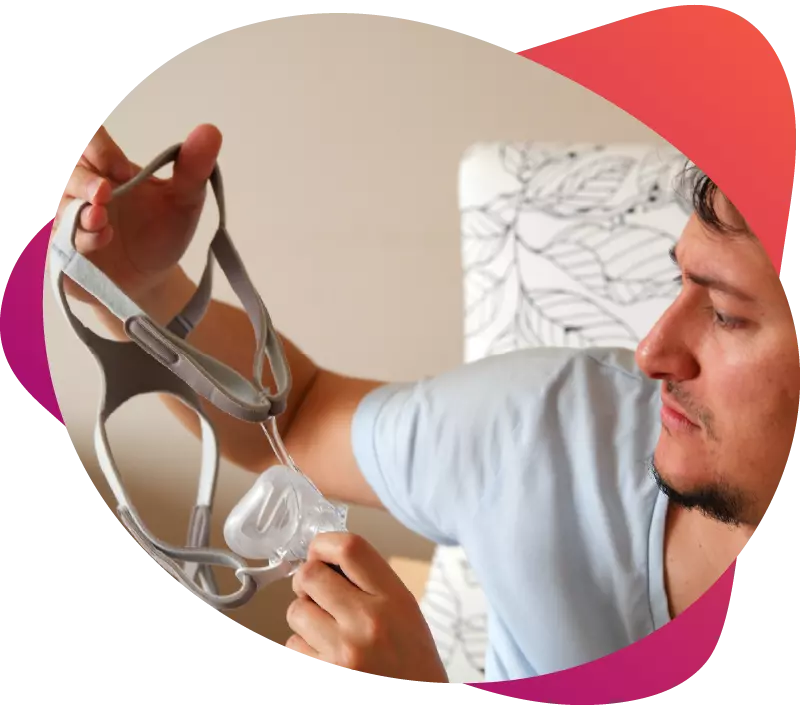
CPAP keeps the airway open during sleep. This can reduce breathing pauses, improve oxygen levels, and improve overall sleep quality in people with sleep apnea.
For someone with heart failure, having better oxygen levels at night can be important. Drops in oxygen can make the heart work harder. By reducing these drops, CPAP may help lower some nighttime stress on the heart.
Some studies suggest CPAP may improve certain measures of heart function in people with OSA and heart failure. One measure is left ventricular ejection fraction (LVEF). This refers to the percentage of blood the heart’s main pumping chamber pushes out with each beat.
A study found that LVEF improved in some people with OSA and heart failure after one month of CPAP treatment. However, CPAP did not improve this measure in everyone. CPAP may help certain people, but it isn’t a replacement for heart failure treatment.
Researchers are still studying whether CPAP lowers the risk of developing heart failure. So far, the answer isn’t clear.
Some large studies suggest that people who use positive airway pressure therapy (PAP) may have fewer major heart-related events, such as heart attack, stroke, heart failure, or procedures to improve blood flow to the heart.
In one large study of older adults with OSA, people who had just started positive airway pressure therapy had about a 10 percent lower risk of major adverse cardiovascular events (MACE). They also had a lower risk of death from any cause.
People who had used PAP therapy for longer had an even lower risk of major adverse cardiovascular events, up to 13 percent lower in the group that used it the most.
That study was observational. This means it can show a link, but it can’t prove that PAP directly prevents heart failure. People who use PAP regularly may also be more likely to take medications, attend follow-up visits, or follow other parts of a heart-healthy care plan.
Other studies have had mixed results. A 2023 review of three randomized clinical trials found that CPAP did not lower major heart and brain-related events overall.
For now, CPAP is best viewed as a proven treatment for OSA, not a guaranteed way to treat or prevent heart failure.
CPAP may be most helpful for people with higher-risk sleep apnea patterns, such as larger drops in oxygen or stronger changes in heart rate during sleep. People without these higher-risk features may not get the same heart benefits, and more research is needed to understand who benefits most.
CPAP shouldn’t replace other heart failure treatments, which may include:
If you have heart failure, making decisions about CPAP may involve more than one part of your care team. A sleep specialist can check whether CPAP is controlling your breathing pauses and oxygen drops. A cardiologist can help decide how sleep apnea treatment fits into your heart failure care plan.
This teamwork may be especially helpful if you still feel tired, short of breath, or unrested while using CPAP. Your doctors may review your CPAP data, sleep study results, oxygen levels, and heart symptoms before deciding whether to adjust your treatment.
Your care team can help you understand how CPAP fits into your health plan.
Consider asking:
On MySleepApneaTeam, people share their experiences with sleep apnea, get advice, and find support from others who understand.
Has CPAP been recommended to you to treat or prevent heart failure? Let others know in the comments below.
Get updates directly to your inbox.





 Continue with Facebook
Continue with Email
Continue with Facebook
Continue with Email
Continue with Facebook
Continue with Email
Continue with Facebook
Continue with Email
Become a member to get even more





 Join
Join

 Your Privacy Choices

This is a member-feature!
Sign up for free to view article comments.
We'd love to hear from you! Please share your name and email to post and read comments.
You'll also get the latest articles directly to your inbox.